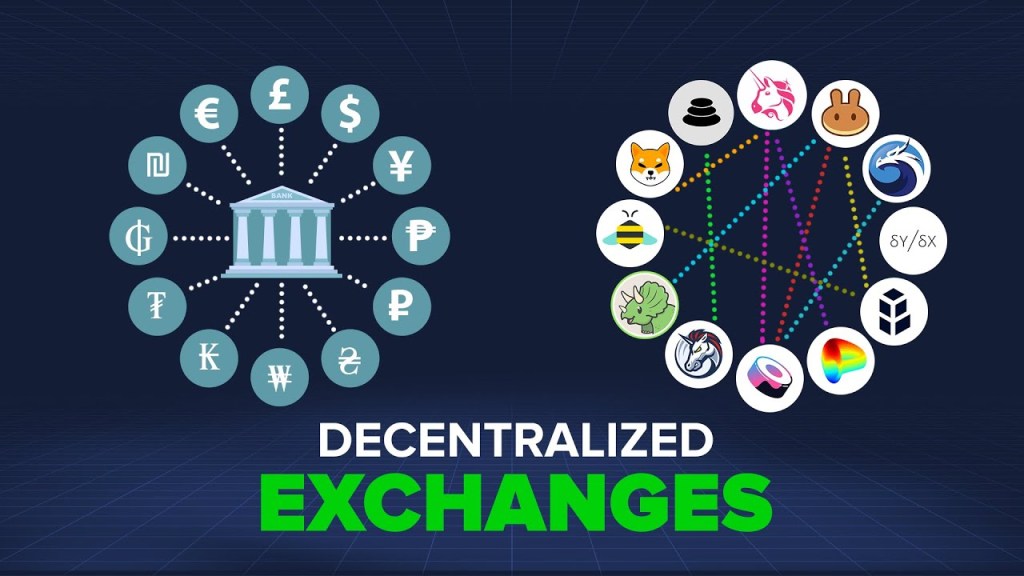
Setting up a money exchange business for buying and selling cryptocurrency, particularly involving Decentralized Exchanges (DEXs), necessitates keen attention to potential red flags of illicit activity and the implementation of preventative measures. These are guided by various legal and financial authorities.
Red Flag: A customer suddenly receives a large amount of cryptoassets directly from a DEX-associated account and attempts to cash out immediately.
Preventative Measure & Citation of Authority: The Money Laundering, Terrorist Financing and Transfer of Funds (Information on the Payer) Regulations 2017 (MLR 2017) requires firms to monitor transactions and report suspicious activities. Regular monitoring can help identify large, unusual transactions and take appropriate action.
Red Flag: The customer cannot provide any evidence or logical explanation for their source of funds and why they were engaged in dealings through a DEX.
Preventative Measure & Citation of Authority: The FCA’s PS19/22: Guidance on Cryptoassets (July 2019) encourages firms to conduct thorough due diligence on customers, including verifying sources of funds. This can help understand the nature of the customer’s dealings and whether there are reasons to suspect illicit activities.
Red Flag: The DEX may be associated with relatively high volumes of illicit activity involving Dark Markets, exchange hacks, and other crimes such as ransomware attacks.
Preventative Measure & Citation of Authority: The Financial Action Task Force (FATF) Guidance for a Risk-Based Approach to Virtual Assets and Virtual Asset Service Providers (2019) advises firms to understand the risk associated with different platforms and to apply enhanced due diligence measures when necessary.
Red Flag: A customer’s activity involves frequent interactions with DEXs and also engages in transactions with mixing services such as Tornado cash.
Preventative Measure & Citation of Authority: Chainalysis (2021) Crypto Crime Trends for 2021 report recommends firms to monitor transactions with known mixing services and to be aware of customer’s interactions with DEXs. Frequent transactions with mixing services and DEXs should raise suspicion and may require enhanced due diligence.
Additionally, The Wolfsberg Group’s Statement on Cryptocurrency Due Diligence (2019) offers guidance on conducting due diligence for cryptocurrency transactions. The group recommends monitoring patterns of transactions, understanding the customer’s source of wealth and funds, and assessing the customer’s profile against their expected activity and peer group behavior.
These measures, in conjunction with maintaining an effective risk-based approach as suggested by the International Association of Cryptocurrency Compliance Professionals (IACCP) Cryptocurrency AML Certification Program, can help mitigate risks associated with illicit activities.
 maz786