As a UK Financial Conduct Authority (FCA) and Money Laundering Regulations (MLR) barrister, it is essential to establish and maintain robust anti-money laundering (AML) and counter-terrorist financing (CTF) policies and procedures to prevent and detect suspicious activities. Here are some legal and financial citations of authority, as well as preventative measures based on the given red flags and scholarly articles:
- FCA’s “Policy Statement PS19/22: Cryptoassets: Final guidance” (2019) and “Guidance for Cryptoasset Businesses” (2021) outline the regulatory framework for cryptoasset businesses, including the registration process, AML/CTF requirements, and ongoing compliance obligations.
- The UK Money Laundering, Terrorist Financing, and Transfer of Funds (Information on the Payer) Regulations 2017 (MLRs) set forth AML and CTF obligations for cryptoasset businesses, including customer due diligence (CDD), record-keeping, and reporting suspicious activities.
- The Joint Money Laundering Steering Group (JMLSG) “Guidance for the UK Financial Sector Part II: Sector 22 – Cryptoasset Exchange Providers and Custodian Wallet Providers” (2020) provides detailed guidance on the application of AML/CTF regulations to cryptoasset businesses.
Preventative measures based on red flags:
- Implementing a risk-based approach (RBA) to AML/CTF compliance as per the Financial Action Task Force (FATF) Guidance for a Risk-Based Approach to Virtual Assets and Virtual Asset Service Providers (2019). This includes assessing the risks associated with customers, products, services, and jurisdictions.
- Establishing comprehensive Know Your Customer (KYC) and Customer Due Diligence (CDD) procedures in line with the Wolfsberg Group’s Statement on Cryptocurrency Due Diligence (2019). This should include verifying customer identities, monitoring transactions, and screening against sanctions lists and politically exposed persons (PEPs).
- Utilizing blockchain analytics tools, such as Elliptic and Chainalysis, to trace the source and destination of funds, monitor transactions, and identify high-risk wallet addresses linked to criminal activities.
- Ensuring compliance with transaction reporting and record-keeping requirements as outlined in the MLRs, JMLSG guidance, and FCA guidance.
- Providing regular AML/CTF training to employees and staying up-to-date with industry best practices, such as the International Association of Cryptocurrency Compliance Professionals (IACCP) Cryptocurrency AML Certification Program.
- Collaborating with law enforcement agencies, regulators, and other stakeholders to share information on emerging threats, typologies, and best practices in line with the Blockchain Transparency Institute’s Crypto Anti-Money Laundering Report (2020) and the Cambridge Centre for Alternative Finance’s Global Cryptoasset Regulatory Landscape Study (2020).
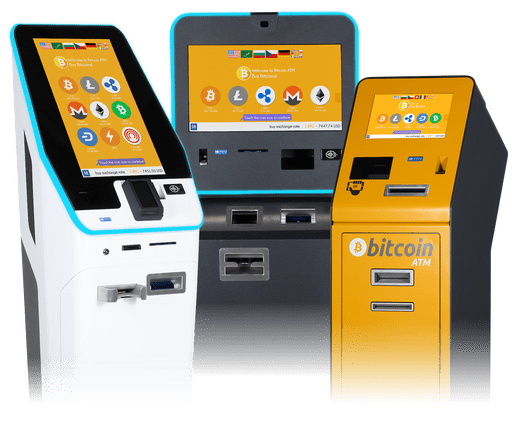
By adopting these measures and adhering to the relevant legal and regulatory requirements, you can effectively manage the risks associated with operating a money exchange business for buying and selling cryptocurrency for cash and cryptocurrency ATMs.
 maz786